
The Importance of Professional Development for Homecare Workers

5 tips on finding the right homecare provider
The Benefits of Homecare for Caregivers

The Importance of Professional Development for Homecare Workers

As a homecare worker, the broadening of knowledge and skills to better serve clients and build meaningful relationships is seen as a priority. The importance of professional development for homecare workers cannot be underestimated as it helps to sharpen existing skills while introducing new ones that will help make an even more effective caregiver. With so many resources available today, it can be difficult to sift through all of the options, however, the below can provide some guidance on how to pursue these professional opportunities.

Did You Know?

There are around 27, 208 care personnel employed in the health sector in Ireland.

The Importance of Professional Development for Homecare Workers

Elevates Homecare Excellence

Continuous education serves as a vital platform for homecare workers to enhance their skills and expertise. As the healthcare landscape evolves, caregivers must stay abreast of the latest medical advancements, caregiving techniques, and technologies. Regular training workshops and courses empower homecare workers to acquire new skills, such as administering specialised medical treatments, understanding the complexities of various health conditions, and employing the latest assistive technologies.

Professional development also encourages the development of soft skills, including effective communication, empathy, and patience. These interpersonal skills are fundamental in fostering a trusting and supportive relationship between caregivers and their clients. By honing these abilities, homecare workers can provide emotional and psychological support in addition to physical care, significantly improving the overall well-being of their clients.

Boosts Job Satisfaction and Confidence

It has a direct impact on the job satisfaction and confidence levels of homecare workers. When caregivers are equipped with up-to-date knowledge and skills, they feel more confident in their abilities to handle complex situations. This increased confidence leads to greater job satisfaction, as caregivers experience a sense of fulfillment and accomplishment in their roles.

Pathways for career progression are then opened within the homecare sector. Caregivers who invest in their continuous learning are often eligible for promotions to supervisory or specialised roles, allowing them to take on more responsibilities and challenges. This upward mobility not only boosts their confidence but also enhances their job satisfaction, resulting in a motivated and dedicated workforce that is committed to providing exceptional care.


Myhomecare’s Care Academy

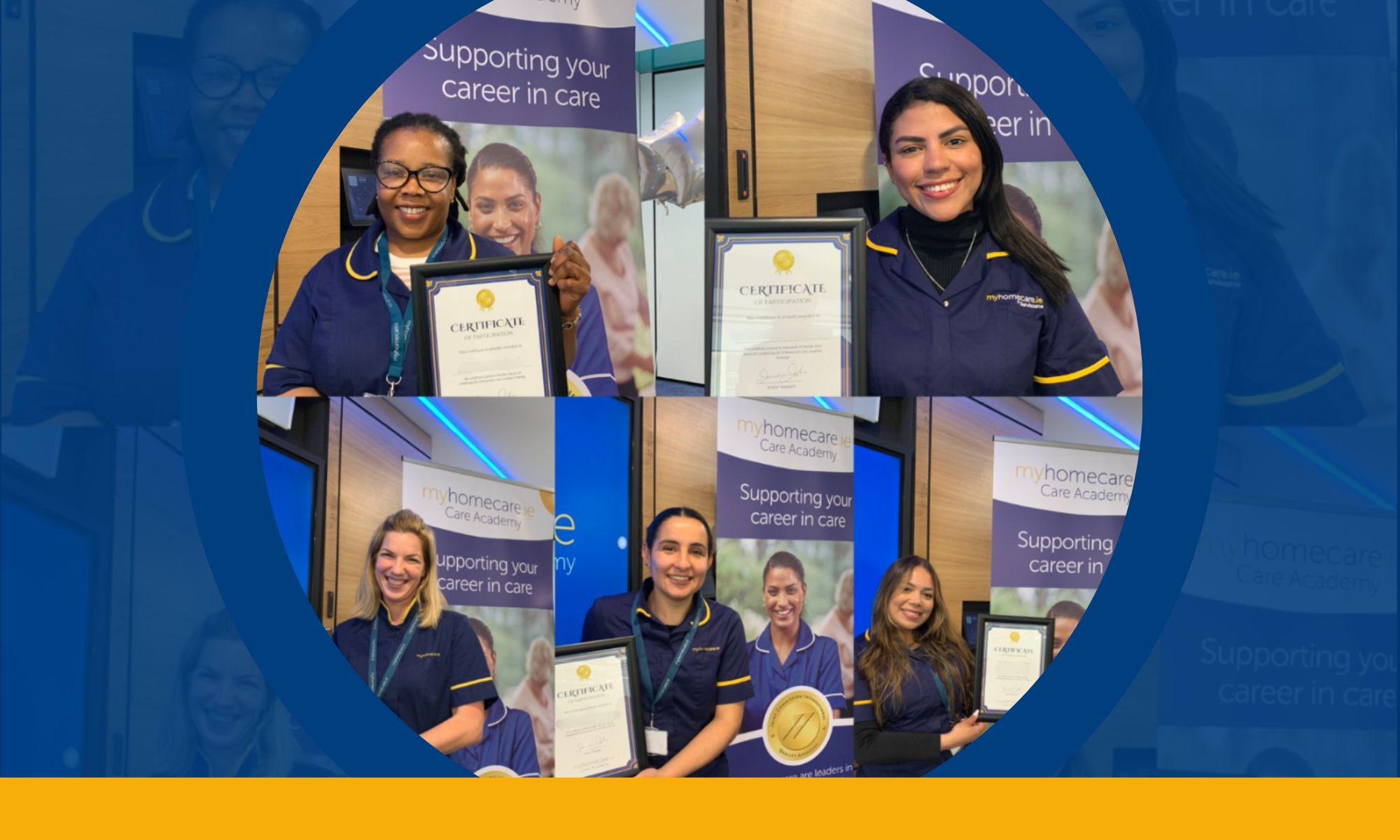
The Myhomecare Care Academy offers training and career progression support and guidance for aspiring carers. The Care Academy also offers the opportunity for those with experience requiring QQI Level 5 accreditation in healthcare, courses to be subsidised.

Our experienced management team, consisting of both clinical and operational, have consulted with industry experts in developing our own bespoke training into the Care Academy to support the continuous professional development of our frontline staff. We provide a wide range of courses for those actively working in the homecare industry and for those who desire a career in homecare.
With just one year’s prior caring experience, an aspiring carer can avail of The Care Academy’s subsidised courses and have that fulfilling career within our supportive team.

Deirdre Doyle, Myhomecare Operations Lead

The Importance of Professional Development for Homecare Workers

Ensures Quality Care

Quality care is at the heart of homecare services, and further education plays a pivotal role in ensuring its consistency and excellence. Well-trained homecare workers are better equipped to handle diverse situations and challenges effectively. They can anticipate the needs of their clients, respond promptly to emergencies, and provide personalised care plans tailored to individual requirements.

Caregivers can then stay updated with best practices and industry standards. This knowledge translates into the delivery of evidence-based, high-quality care that not only meets but exceeds the expectations of both clients and their families. By investing in continuous learning, homecare workers contribute significantly to the overall improvement of healthcare services within their communities.

The Importance of Professional Development for Homecare Workers

As homecare workers, taking the initiative to engage in professional development activities is a great way to stand out from the rest and feel empowered not only professionally, but personally as well. Not only does it provide essential skills and attributes for success in any career, but it can also build self-confidence, creative thinking skills and ultimately help achieve greater success overall.

It’s important to understand the value of continuous career development on the latest trends in today’s ever-changing homecare environment. Continuous learning and personal growth should be part of every successful homecare worker’s journey.

Be inspired to learn with the Myhomecare Care Academy.

The Benefits of Homecare for People of All Ages

The Benefits of Homecare for People of All Ages

The Benefits of Homecare for People of All Ages

Many families are turning to homecare as a way to provide the best possible care instead of sending their loved ones to a long-term facility. Caring for a loved one can be difficult and expensive, however homecare is becoming increasingly popular among people of all ages who want the comfort and convenience of receiving professional health services in a familiar environment, without sacrificing quality medical attention. The benefits of homecare for people of all ages, from young children right through to seniors, can be seen in many different aspects of daily life.

Around 70 % of those using home healthcare services are aged 65 and older.

Need help deciding what type of homecare is right for your loved one?

Elderly woman and caregiver. Types of Homecare Services Available: Our Guide for Families

Independence and Comfort

Aging adults can maintain their independence by staying in their familiar home environment, which often contributes to a sense of comfort and security. Homecare allows individuals to follow their daily routines and engage in activities they enjoy, enhancing their quality of life. This provides a unique solution and offers personalised care in the comfort of one’s own home promoting routine and consistency for those who thrive on familiarity. It aids in the preservation of relationships and community involvement.

Individuals of all ages can benefit from these services. For those recovering from surgery or illness, it can aid in a speedier recovery and promote overall wellness and other such benefits.

  • Remaining in Familiar Surroundings: One of the most significant advantages of homecare is that it enables individuals, particularly seniors, to stay in their own homes. This allows the person receiving care to maintain a sense of independence and control over their living environment.
  • Preserving Daily Routines: It allows individuals to follow their daily routines and habits. They can wake up and go to bed at their preferred times, eat the foods they enjoy, and engage in activities that give them a sense of purpose. This consistency can be reassuring and comforting, especially for those dealing with cognitive conditions like dementia.
  • Emotional Comfort: Being in a home environment can provide emotional comfort. Home is where individuals have made memories and feel safe, and this sense of comfort can be particularly crucial for seniors and those dealing with health challenges.
  • Familiarity: It allows individuals to be surrounded by their belongings, pets, and loved ones. These familiar elements can bring a deep sense of comfort, reassurance, and happiness.

Myhomecare Testimonial

I have had homecare assistance for my sister since the early part of this year 2022. I have found them to be courteous, helpful and efficient especially if there is a problem which has arisen. They are always contactable.”

Noeleen-Dublin

The Benefits of Homecare for People of All Ages

Personalised Care

Whether a senior, someone living with a disability, or a busy family in need of support, homecare services can be tailored to meet individual needs. Personalised care allows the caregiver to understand the unique circumstances of the person they are looking after, and provide for them in the best way possible. This approach to creating care and care plans goes beyond a person’s surface needs and takes their preferences, cultural background, interests and routines into account. Personalised care is not just about keeping someone safe, its about enhancing their quality of life. This type of care can build a deeper rapport between the carer and the person in need of care, which helps to remove any feelings of loneliness or isolation, making a big difference in someone’s life.

  • Flexibility: Homecare adapts to changing circumstances and evolving needs. Care plans can be modified as the individual’s health status changes, ensuring that they continue to receive appropriate care and support. This flexibility is particularly beneficial for those with progressive conditions or recovering from surgery or illness.
  • Cultural Sensitivity: Providers take cultural and personal preferences into account when delivering care as they become familiar with the individual. This sensitivity to cultural, dietary, and religious considerations can lead to better, individualised care.
  • Comprehensive Services: Agencies often offer a wide range of services, including personal care, companionship, medication management, physical therapy, and specialised care for conditions like dementia or diabetes. These services can be combined and customised to address an individual’s specific health and lifestyle requirements.

Cost-Effective

Homecare is often more cost-effective than inpatient care in hospitals or long-term care facilities. It can help reduce healthcare costs while still delivering high-quality care and is an ideal solution for those who wish to receive personalised attention without going over budget. These services often have transparent pricing structures, making it easier for individuals and their families to budget for care. From daily living tasks to medical assistance, it provides a range of services that cater to each individual’s unique needs while being cost-effective.

  • Lower Overhead Costs: Homecare agencies do not have the same overhead costs as hospitals or long-term care facilities. They don’t need to maintain large facilities, pay for utilities on a massive scale, or provide round-the-clock staffing in the same way. This results in lower operating costs, which can be passed on to the patient.
  • Reduced Hospital Readmissions: It can help prevent hospital readmissions by providing ongoing monitoring and care management. Hospital readmissions can be expensive, and reducing them can lead to significant cost savings for both patients and healthcare systems.
  • Flexible Scheduling: Care can be scheduled as needed, providing flexibility in care delivery. This can be more cost-effective than paying for 24/7 care in a facility, especially if the individual only requires assistance for a few hours a day.

Homecare with Myhomecare

• Each client has their own needs and requirements which is why we don’t believe in a one size fits all approach.
• Our tailor-made homecare services and packages cover a wide range of services from basic home help and befriending to advanced nursing care and supported hospital discharge.
• Our carers enjoy their roles and remain working with us, so you have a familiar face who knows your specific needs and routines.

Contact Myhomecare today to see how it can benefit you or your loved one.

Staying connected to the community in unique and meaningful ways is possible and an invaluable care service that can be tailored according to each individual’s personal needs, maintains independence and comfort as well as being cost-effective. Whether it’s for seniors looking to age at home in comfort, individuals recovering from surgery or illness, or those with chronic conditions, it’s a type of care that supports them all individually.

Want to know more about our homecare services?

The Benefits of Homecare for Caregivers

5 tips on finding the right homecare provider
The Benefits of Homecare for Caregivers

The Benefits of Homecare for Caregivers

Caregivers understand the importance of providing quality care for loved ones. Whether caring for an elderly family member or a child with special needs, the benefits of homecare for caregivers are numerous. From greater life balance and support, to strengthened relationships between them and care receiver. It allows them to provide the best possible care without sacrificing their own emotional and physical well-being.

Did You Know?

Over 1-in-8 persons aged 15 years and over provide care. People aged 45-54 years provide care more than any other age group.

The Benefits of Homecare for Caregivers

Life balance

Caregiving can often be a challenging job. That’s why homecare is a game-changer for those who are looking to balance their responsibilities. It allows them to provide the support needed while also having the flexibility to attend to their personal needs. They gain the opportunity to have extra time to rest, pursue hobbies, or spend quality time with friends and family as it allows them to choose more flexible hours.

It can help reduce the stress and exhaustion that often comes with caring for a loved one. They have the opportunity to work in a familiar environment, reducing commute times associated with traveling to and from a care facility. This provides peace of mind and creates less stress.

Work satisfaction

Whether caring for elderly parents or a child with special needs, working from the home can be a positive experience all around. Personalised homecare can also provide caregivers with the work satisfaction that comes with knowing they are providing exceptional care while maintaining their own health and well-being. This one-on-one interaction allows caregivers to better understand their clients’ unique needs, preferences, and personalities. Personalised care plans can be structured around their needs as well as the hours both are available to see each other.

Providing care in a home setting can be emotionally rewarding for caregivers. They often witness firsthand the positive impact they have on the care receiver’s life, which can lead to a sense of fulfillment and purpose. They experience a strong sense of satisfaction when they see their clients’ health improve, their quality of life enhance, or when they provide comfort and support during challenging times.

Sense of community

Remaining part of the community reduces feelings of isolation and promotes social interaction between the caregiver, care receiver and the local area. Whether it’s regular visits to the recipient’s home or the camaraderie between others in similar care professions, it offers a range of opportunities for connection and understanding. Emotional and practical support makes all the difference and it ensures they don’t have to face the journey alone. Through peer learning and collaboration, they can come together to share their knowledge, experiences, and best practices.

This profession provides an opportunity to work close with families which is more personal than in a hospital environment, this is very rewarding and creates a special relationship between both parties. Through daily interactions, shared experiences, and attentive care, a bond can form based on trust, respect, and empathy.

At Myhomecare, we have the right people in the right place, your home. Our carers see their profession as a calling and are passionate about the care they give. There is always a familiar face who knows the client’s specific needs and routines.

Our Myhomecare nurse has this to say:

Working in a home environment is a completely different environment to a hospital. I have the opportunity to see my little patients growing up and get to know them very well over the years. Working so close with families is very rewarding and creates a great bond which you never forget.

The Benefits of Homecare for Caregivers

Homecare has many benefits for all involved. It allows both individuals to keep their independence and dignity and creates a good life balance. It allows them to choose their own hours and carry out chores if needed in between work. It ensures that an individual’s healthcare needs are met in the comfort of their own home which provides a sense of community within the local area. By providing personalised care, better job satisfaction is evident. It is a truly rewarding profession that enables caregivers to take a step back and recharge while still ensuring that quality care is provided.

Join our team today to become a valuable caregiver in your community.

Top Tips for Caregivers in Homecare

5 tips on finding the right homecare provider

Top Tips for Caregivers in Homecare

Being a care worker means more than just playing an important role in the lives of those being cared for—it is also very rewarding. It involves providing social and health services to elderly people and those with disabilities. This can include helping them with daily activities such as bathing, grooming, dressing, general errands and medical issues. There are times when it can be a demanding role, requiring both empathy and technical skill to provide effective support for those who rely on it. To make this responsibility easier, the following top tips for caregivers in homecare will help them provide excellent quality of service as well as allow them to feel supported and capable.

Did You Know?

Figures published today by the CSO from the Irish Health Survey 2019 estimate that 1 in 8 people in Ireland aged over 15 are family carers. 

Set realistic expectations

Setting realistic expectations for yourself and your loved one or client is crucial. It can be challenging to navigate the uncertainty that comes with caregiving, and without proper expectations, it’s easy to become overwhelmed or disappointed. The correct expectations allows everyone to remain happy and this can be done in a number of different ways:

  • Assess your loved one’s or client’s condition and identify their needs. This can include speaking with their doctor or family members. Ask questions: How serious is their illness? What medications are they on?
  • Create a plan of action that takes into account your own capabilities and limitations. How often can you visit? What physical tasks can you perform?
  • Communicate these expectations so you both know what to expect and everyone is clear about how the care will be given. Make time to sit down and discuss everything.
  • Because it is a fast moving industry where safety is vital, continuously upskilling is a must. At Myhomecare, our Care Academy provides a range of courses for those working in this industry. The Care Academy’s focal point is on improving the quality of existing staff by providing upskilling opportunities.

The Care Academy allows those who sign up to work with us the chance to advance their career in healthcare an advantageous starting point.
It guides them and helps them advance in their career aspirations.

The Care Academy and Top Tips for Caregivers in Homecare

Remember that caregiving is a process that requires patience and compassion. By setting realistic expectations and approaching your role with a positive mindset, you can do this in the best possible way.

Establish a support network

Establishing a support network for yourself will provide you with the emotional and practical support you need to navigate the ups and downs of caregiving. Caring for a loved one or client can be fulfilling but it can also be challenging and stressful at times. They are depending on you and there is a lot of responsibility involved in this. At Myhomecare, we ensure everyone feels supported and accommodated which is evident from our client testimonials.

Narrow down the resources that are most relevant to your situation. Your support network can include family members, friends, neighbours, and professionals such as social workers or counselors. Look for resources in the form of support groups, online forums, and educational materials that offer practical advice and emotional support such as the following:

  • The HSE: Provides health services directly and funds voluntary organisations to provide support and services to individuals and their Carers.
  • Care Alliance Ireland: The National Network of Voluntary Organisations supporting Family Carers.
  • Government: Offers a Carer’s Support Grant as an annual payment.

By reaching out to others for help, you can reduce your own stress levels and improve your overall well-being, which in turn can benefit both you and the people you care for. Remember that you are not alone and with the right support, you can navigate through your work with more ease and confidence.

Take time for self-care

It can be easy to lose track of your own needs while focusing on the needs of those you care for. Taking care of yourself is just as necessary as taking care of others as it can be a demanding and emotionally taxing experience. One way to make this happen is by setting aside time each day for personal self-care with the below actions.

  • Take a warm bath with Epsom salts which help to ease muscle pain. Especially effective after a long day of physical activity.
  • Wake up 15 minutes earlier to meditate or do some gentle yoga which can clear your head and prepare you for the day.
  • Read a book to help to relax the mind.
  • Make sure to eat well and get quality sleep so that you can feel at your best and stay healthy.
  • Meet up with friends and remember to stay involved in outside activities such as hiking and sports activities on your days off.

It may be challenging to find the time to take care of yourself, however, prioritising your own needs will ultimately create a better work environment as you will have the energy and mental clarity to give more.

There are a range of benefits while working with Myhomecare. With the option of flexible working hours that suit you and excellent rates of pay, it is a truly fulfilling profession.

Following these top tips will ensure the correct care is given and the process is not so daunting or stressful, but rewarding and enjoyed. This type of career is a one‐of‐a‐kind experience with loved ones and clients receiving the very best of care, in the right place, their home.

Get in touch wit us today to find out more about our support and upskilling courses at The Care Academy.