What to Expect from Homecare: Our Guide for Families

5 tips on finding the right homecare provider

What to Expect from Homecare: Our Guide for Families

Homecare, also known as domiciliary care, is health care that is provided in the home of a loved one. This type of care is typically provided by a professional homecare provider such as a nurse or home healthcare professional. Homecare services can range from basic assistance with activities of daily living such as bathing, dressing, and meal preparation, to more complex medical care such as medication management and physical therapy. If you are looking for homecare for your loved one, it is important to be provided with the right, helpful information. It is good to know what to expect from homecare and our guide for families will help you through the process so the best quality of care is provided for you and your loved one.

Did You Know?

According to a recent report, demand for homecare will increase by 50% over the next eleven years.

Myhomecare and what to expect from homecare

Professional and Compassionate Care

Homecare providers are trained and licensed professionals who are committed to providing quality care with respect and compassion. Being a naturally caring and compassionate person is essential for this kind of profession as it entails working with a range of clients with different medical conditions and needs.

Professional care can be in the form of providing pharmacy medication services. For many people it can be inconvenient to attend a pharmacy to collect medication. To reduce this inconvenience, Myhomecare give the option of getting all your prescriptions delivered straight to your door. Our fully qualified garda vetted pharmacy medication services dispensing team ensure that medication is dispensed accurately and efficiently each and every time. 

What Myhomecare look for in their carers:

– Have completed a carer course.
– Are a caring person and have a genuine interest in helping others.
– Have experience of caring for a loved one.

Homecare can also provide companionship for loved ones who may feel isolated or lonely. This can include conversation, games, and other social activities. It is an important profession that requires skill as well as a caring attitude. Homecare agencies should also make sure they have clear communication channels with your loved one and their family members. This can include regular updates on your loved one’s condition, changes in the care plan, and any concerns or questions. These qualities are what make a great caregiver who is professional and full of compassionate care.

Peace of Mind

Homecare can provide access to safety from medical professionals such as nurses, physical therapists, and occupational therapists. This type of care is great for those who need medical care from the comfort of their own home. At Myhomecare, a dedicated team of healthcare professionals provide 24 hour care for an unlimited period in your own home, offering an alternative to being placed in a care home. This gives you the peace of mind that help is always on hand for your loved one.

Myhomecare are partnered with Isaac Care, to bring peace of mind with innovative and easy-to-use assistive technology to clients nationwide.

Myhomecare and Isaac Care

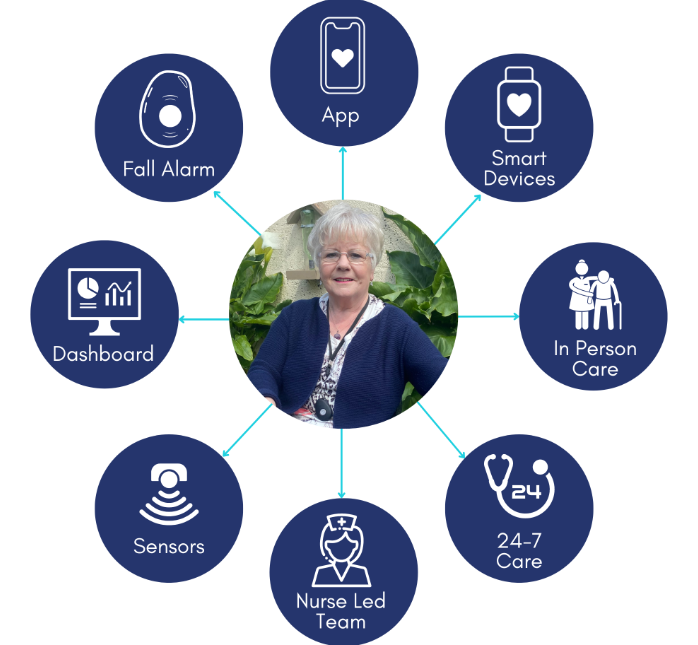
Isaac Care’s technology allows us to provide wraparound 24/7 support to clients and provides comfort and peace of mind when our dedicated homecare staff and family members can’t be present

A Personalised Homecare Plan

A homecare plan that is focused on your loves one’s specific health problems or disabilities is a personalised care plan. It outlines the services and care that your loved one needs. It is tailored to their unique health issues and concerns. It may also include services such as assistance with activities of daily living, medication management, and transportation. The plan should be developed with input from your loved one, the family, and the health care team. It should also be reviewed on a regular basis to ensure that it is meeting your loved one’s needs.

At Myhomecare each client has their own needs and requirements which is why we don’t believe in a one size fits all approach.

Our tailor-made homecare services and packages cover a wide range of services from basic home help and befriending to advanced nursing care and supported hospital discharge.

Overall, homecare can provide a wide range of professional services to help patients stay comfortable, provide peace of mind for families and a personalised homecare plan to provide for their needs. The importance of providing adequate homecare is essential no matter what the situation is. Every family requires different kinds of services and levels of assistance depending on their needs.

Get in Touch

Our dedicated team are on hand to assist you in any way.

The Benefits of Homecare for Seniors: Maintaining Independence and Quality of Life

5 tips on finding the right homecare provider

The Benefits of Homecare for Seniors: Maintaining Independence and Quality of Life

Are you looking for ways to ensure that your elderly loved one is looked after? One of the best options is homecare. It has a range of benefits, not only does it keep your loved one safe but it also enables them to remain comfortable and independent in their own homes. It allows for personalised care from trained caregivers while ensuring a good quality of life. Homecare for seniors is important as care itself is an inevitable part of aging. Here are some key benefits on how homecare for seniors helps to maintain independence and a better quality of life.

Maintaining Independence

One of the key benefits of homecare for your loved one is that it allows them to maintain their independence, which is extremely important in life for everyone. When this sense of independence is provided, they are able to live with dignity in their own homes. They are then safe in the knowledge that they will receive the best possible care. Aging can bring with it various health challenges such as mobility issues, and other conditions that can make it difficult for your loved one to live on their own. However, with homecare, your loved one can receive the support they need while still living independently. In fact, evidence has shown that people are happier and live longer within their own homes. 

Here are some ways homecare can help your loved one maintain their independence:

Personal care: Support bathing, dressing and grooming.
Mobility support: Support getting in and out of bed, walking, and using a wheelchair.
Medication management: Managing their medications, ensuring they are taking their medications as prescribed.
Home safety: Making their homes safer, such as installing grab bars, modifying bathrooms, and removing tripping hazards.

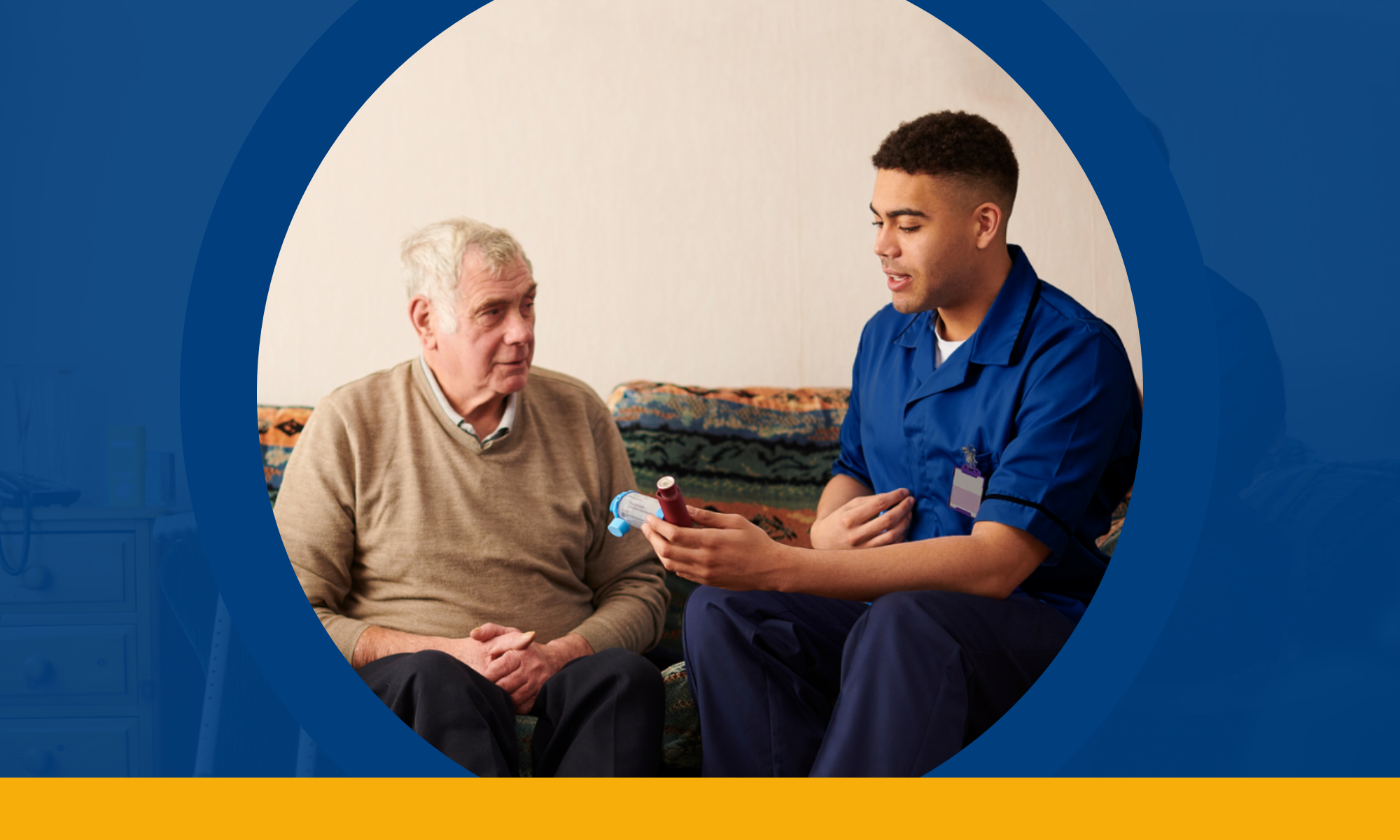
Home care nurse giving medication to an elderly man medica

Your loved one can continue to live in their own homes and carry out their daily routines with the help of a caregiver. Homecare services can also be tailored to meet the individual needs of your loved one allowing them to retain a sense of familiarity.

At Myhomecare, each client has their own needs and requirements which is why we don’t believe in a one size fits all approach. Our tailor-made homecare services and bespoke packages cover a wide range of services from basic home help, to advanced nursing care and supported hospital discharge.

Home care worker visiting elderly woman

Myhomecare can offer routine medical services such as vaccinations or pharmacy deliveries in the comfort of your loved one’s home. Myhomecare also works with medical practitioners and suppliers to provide a wide range of supportive solutions such as home adaptations, essential medical supplies and partnership with your primary care team.


Myhomecare’s Technology for Independence

Myhomecare’s combined approach to care and technology supports independence for all age groups. Caregivers and nurses promote the use of app technology which features reminders for appointments, low-intensity exercise programmes and medication reminders.

At Myhomecare, we believe in providing the highest quality care and support services to our clients 24/7. This is why we have partnered with Isaac Care, a world class assistive technology solution. Isaac Care supports independence by combining care and technology, including monitoring health and wellbeing, a fall alarm and a circle of care app. 

Myhomecare’s Isaac Care:

Isaac Care provides a complete wraparound service, including remote health monitoring with 24/7 support, underpinned by a network of dedicated personal carers.
This allows your loved one to feel safe at home while they live independently.

Isaac Care App for Independence

Providing independence to your loved one can have numerous benefits. It is important that they are provided with a standard of life they wish to live, growing old should not mean a lesser life. With sufficient homecare and assisted living technology, they can maintain their sense of self while having sufficient support when needed.


Quality of Life

Senior man in wheelchair with home care provider

Being able to provide your loved one with the best quality of life is something every family wishes for. When your loved one can perform tasks and carry out activities when they want, safe in the knowledge care is available to them, this greatly enhances their state of wellbeing. By providing the below, homecare can significantly help loved ones live their lives to the fullest.

Homecare tailored to the individual needs and preferences for your loved one. This helps ensure they receive the specific support they need.

Personalised Care

Personalised Care

With homecare, your loved one can receive care in their own homes, promoting a sense of comfort and familiarity.

Comfort and Convenience

Comfort and Convenience

Homecare providers can assist your loved one with hobbies such as gardening, painting and playing games. Helping them maintain a sense of purpose and fulfillment.

Hobbies and Interests

Hobbies and Interests

As your loved one receives the support they need to manage their health conditions in their own homes, their health outcomes and overall quality of life are greatly improved.

Reduced Hospitalisations

Reduced Hospitalisations

Homecare provides your loved one with a familiar and comfortable environment, which can help reduce feelings of anxiety and loneliness. They can continue to enjoy their hobbies or can keep visiting friends and family. Homecare providers can also provide companionship, which is important for overall mental and emotional well-being. By giving families that reassurance, they are then provided with a peace of mind, knowing that their loved one is being taken care of and is safe in their own home. This takes the stress off of an otherwise worrying situation. Here is a testimonial from one of our happy clients:

Ireen gives my mother the attention she needs, her personal hygiene is especially looked after and she loves the company. Delighted with the service!

Homecare for your loved one can help to maintain their independence, improve their quality of life, provide comfort, offer tailor-made care, and provide peace of mind. If you are considering homecare for your loved one, be sure to do your research and find a reputable provider, allowing your loved one to be taken care of in the best possible way.

Get in Touch

Our dedicated team are on hand to assist you in any way.

Home Care Financial Assistance

Home Care Financial Assistance

Employed person taking care of an incapacitated individual

Employing a care giver for yourself or a family member i.e spouse, civil partner, child or a relative, including a relation through marriage or civil partnership is a huge step. One that you need to be 100% comfortable with, both emotionally and financially.

As an employer of a carer you are entitled to claim tax relief on this cost, provided the care is for yourself or a family member. This includes employing a carer from an agency or using an agency’s services, such as ourselves. Charitable/voluntary organisations such as the Alzheimer’s society of Ireland also fall under this home care financial assistance.

Tax allowances and reliefs reduce the amount of tax that you have to pay. As of January 2015 you are entitled to claim tax relief for employing a carer up to the cost of €75,000 (previous to this it was €50,000) for each incapacitated individual. This is a tax relief rate of 41%.

If employing a care giver yourself, you have duties and responsibility towards your care givers. You must ensure they receive the following:

  • Employment contract : (minimum wage rate, hours, holidays)
  • Payslips
  • Employee’s tax
  • Social insurance

If you decide to go through an agency for care, these responsibilities fall on the agency. If you wish to take this route, you are still eligible to claim tax relief on the cost of care through an agency.

To claim this tax relief the individual receiving care must be fully incapacitated from the tax year starting January through to December. However the care giver does NOT have to be employed for this period of time.

If you have been granted Dependent Relative Tax Credit (section 466) or an Incapacitated Child Tax Credit (section 465) you are not eligible for this tax relief.

If you wish to apply for this tax relief you can submit your P60 and your spouses if required to your local Revenue office.

If you are a PAYE tax payer and wish to apply for this tax relief you can download the following pdf tax relief for employing a carer on form HK 1 (pdf) or contact the your local Revenue office (all numbers available at http://www.revenue.ie/en/contact/lo-call.html )

To discuss this and any other queries please contact myhomecareie.wpengine.com.


Caregiving, recognising signs of depression and how to cope with it.

While in the process of providing exceptional care to others, many caregivers fail to provide themselves with proper care. Providing proper care for others is oftentimes all-consuming, especially if the person receiving the care suffers from Alzheimer’s or is incontinent.

If you are an otherwise healthy and capable person but lately you’ve not been feeling “right,” the stress of your job may be taking a toll. Depression may be setting in, especially if you find yourself crying for no apparent reason, and/or feeling tired, angry, frustrated, anxious, or alone. Pay attention to these feelings; they’ll likely get worse if you don’t take action.

Here are some tips for avoiding the depression that often accompanies caregiving:

Take time out for Yourself
Caregivers rarely take time for themselves. If you’re not taking time to rest, eat well and exercise moderately, you will suffer. Maybe not today or next week, but it will happen. It really doesn’t take long to plan and prepare nutritionally-balanced meals and snacks. Doing so gives your body the fuel it needs to perform all the tasks you ask of it. You’ve got to get uninterrupted rest, too. Get exercise any way you can: gardening, housekeeping, going up and down stairs, walking the aisles of the grocery store, playing your favorite sport, even pushing a wheelchair can get your heart beating and your blood flowing.

Do things at your own pace
Do what you can, when you can. It may help to prioritise your caregiving duties. Focus on those daily tasks that absolutely must get done. Schedule the other tasks when you have time. Once you start to prioritise your work, you’ll notice that you actually get more accomplished.

Ask for Assistance
Speak with your family members about your need for help, and together, figure out when others can come in so you can have a break. If you have no family members, you’ve got to hire in-home help, or make arrangements at a senior day care facility. Do whatever it takes to get time off. YOUR health depends on this.

Put a Moratorium on Guilt
No one gains from feeling guilty, in fact, guilt is an immobilising emotion. Let it go and you’ll feel better instantly.

Have Some Fun
Keep social events on your calendar and your health will benefit. Get out to the movies, have coffee, – do whatever it is that you enjoy – in the company of others.